Deep comparison of green tea and yerba mate in terms of origin, flavor, health benefits, popularity, and other aspects.
Both green tea and yerba mate are widely consumed beverages known for their health benefits. Though they share some common properties like being rich in antioxidants, they differ significantly in their origins, caffeine content, nutritional composition, and health effects.
Here's a detailed comparison between the two:
1. Origin and Production
-
Green Tea:
Green tea is made from the leaves of the Camellia sinensis plant, primarily grown in China, Japan, and other Asian countries. The leaves are quickly steamed or pan-fired to prevent oxidation, preserving their natural green color and delicate flavor. -
Yerba Mate:
Yerba mate is made from the leaves and stems of the Ilex paraguariensis plant, which is native to South America, particularly Argentina, Brazil, Paraguay, and parts of Uruguay. The leaves are dried and then steeped to create the beverage, which has a distinct, earthy flavor.
2. Caffeine Content
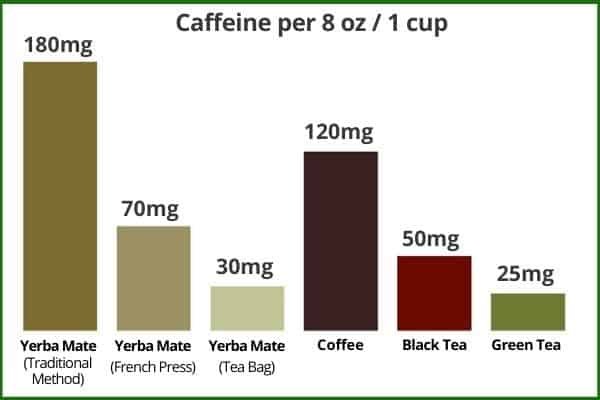
- Green Tea:The caffeine content of a cup of green tea can vary from 14 – 60 mg per cup. The amount depends mainly on the type of tea you use, how long you brew it, and how hot is the water that you use.
-
Yerba Mate:
Yerba mate tea contains two other stimulants in addition to caffeine. Theobromine is also found in chocolate and its effect is mildly uplifting and euphoric while theophylline boosts mental energy and is also present in green tea.
3. Taste and Flavor Profile
-
Green Tea:
Green tea has a delicate, grassy, or vegetal flavor, which can be sweet, floral, or slightly astringent, depending on the variety (e.g., matcha, sencha, dragon well). It is usually refreshing and light in taste. -
Yerba Mate:
Yerba mate has a distinct, earthy, and slightly bitter flavor with a slightly smoky or herbal taste. It’s often described as an acquired taste, and many people either love or dislike its flavor. In South America, it’s commonly drunk from a gourd with a metal straw (called a bombilla), and sometimes flavored with herbs or citrus.
4. Nutritional Profile
-
Green Tea:
Green tea is low in calories and contains no fat or protein. It is rich in antioxidants, particularly catechins, such as EGCG (epigallocatechin gallate), which are believed to have various health benefits. Green tea also contains trace amounts of vitamins such as vitamin C, B vitamins, potassium, and magnesium. -
Yerba Mate:
Yerba mate is also low in calories and contains no fat, but it is rich in vitamins and minerals. It contains higher levels of vitamin C, B vitamins, potassium, magnesium, manganese, and zinc than green tea. Yerba mate is also a source of saponins (anti-inflammatory compounds) and polyphenols.
5. Health Benefits
Green Tea:
- Antioxidant Power: Green tea is a powerhouse of catechins that combat oxidative stress and protect against cell damage.
- Heart Health: The antioxidants in green tea can help reduce LDL cholesterol and lower the risk of heart disease. Studies also suggest it may improve blood vessel function and lower blood pressure.
- Weight Loss: Green tea, particularly matcha (a powdered form), has been linked to fat burning and improved metabolism due to its combination of catechins and caffeine.
- Cancer Prevention: Some studies suggest that green tea can lower the risk of certain cancers, including breast, prostate, and colorectal cancers, due to its antioxidant properties.
- Brain Health: Green tea may improve brain function and protect against neurodegenerative diseases like Alzheimer’s and Parkinson’s by reducing oxidative stress.
- Blood Sugar Control: Green tea may help regulate blood sugar levels and improve insulin sensitivity, potentially aiding in diabetes management.
Yerba Mate:
- Energy Boost: Yerba mate is often considered a natural stimulant. Its combination of caffeine, theobromine (the compound found in chocolate), and other compounds provides a smooth, balanced boost in energy without the jitteriness commonly associated with coffee.
- Weight Loss: Yerba mate may help in fat metabolism, appetite suppression, and calorie burning, making it a popular choice for those aiming to manage their weight.
- Digestive Health: Yerba mate has been traditionally used to aid digestion and relieve constipation. It also supports liver health and has detoxifying properties.
- Antioxidant and Anti-Inflammatory: Like green tea, yerba mate is rich in antioxidants and polyphenols, such as chlorogenic acid (the same compound found in coffee), which support inflammation reduction and combat oxidative stress.
- Heart Health: Yerba mate has been linked to improved cholesterol levels and blood circulation, and it may help reduce the risk of heart disease. It is also associated with a lower risk of developing metabolic syndrome.
- Mental Focus: Yerba mate is known for improving mental clarity and focus, offering cognitive benefits similar to those of caffeine but with a smoother effect.
6. Popularity and Cultural Significance
-
Green Tea:
Green tea is a staple beverage in countries like Japan, China, and South Korea. It is widely consumed in both traditional forms and modern variations (e.g., matcha lattes, iced teas). The beverage has gained global popularity due to its health benefits and the rise of matcha as a trendy superfood. -
Yerba Mate:
Yerba mate is deeply embedded in the culture of South America, especially in countries like Argentina, Uruguay, Paraguay, and southern Brazil, where it is often consumed in social settings. The ritual of drinking yerba mate from a gourd (mate) is a key part of social interaction in these regions.
Both green tea and yerba mate offer impressive health benefits, but they cater to different needs and preferences. Green tea is more popular in Asia and is widely known for its cancer-fighting and antioxidant properties, while yerba mate provides a more potent energy boost and is favored for its weight loss and digestive benefits. Your choice between the two depends on your taste preferences, desired health benefits, and tolerance to caffeine.